Why Black Mold Keeps Returning on Cape Town Ceilings (And How to Stop It)
Between May and August every year, we get called out to homes across Cape Town with the same issue: black mold spots spreading across bathroom ceilings, window frames, and bedroom cupboard walls. You wipe it down, and three weeks later it is back. Here is why that happens in our coastal climate, and what actually stops it.
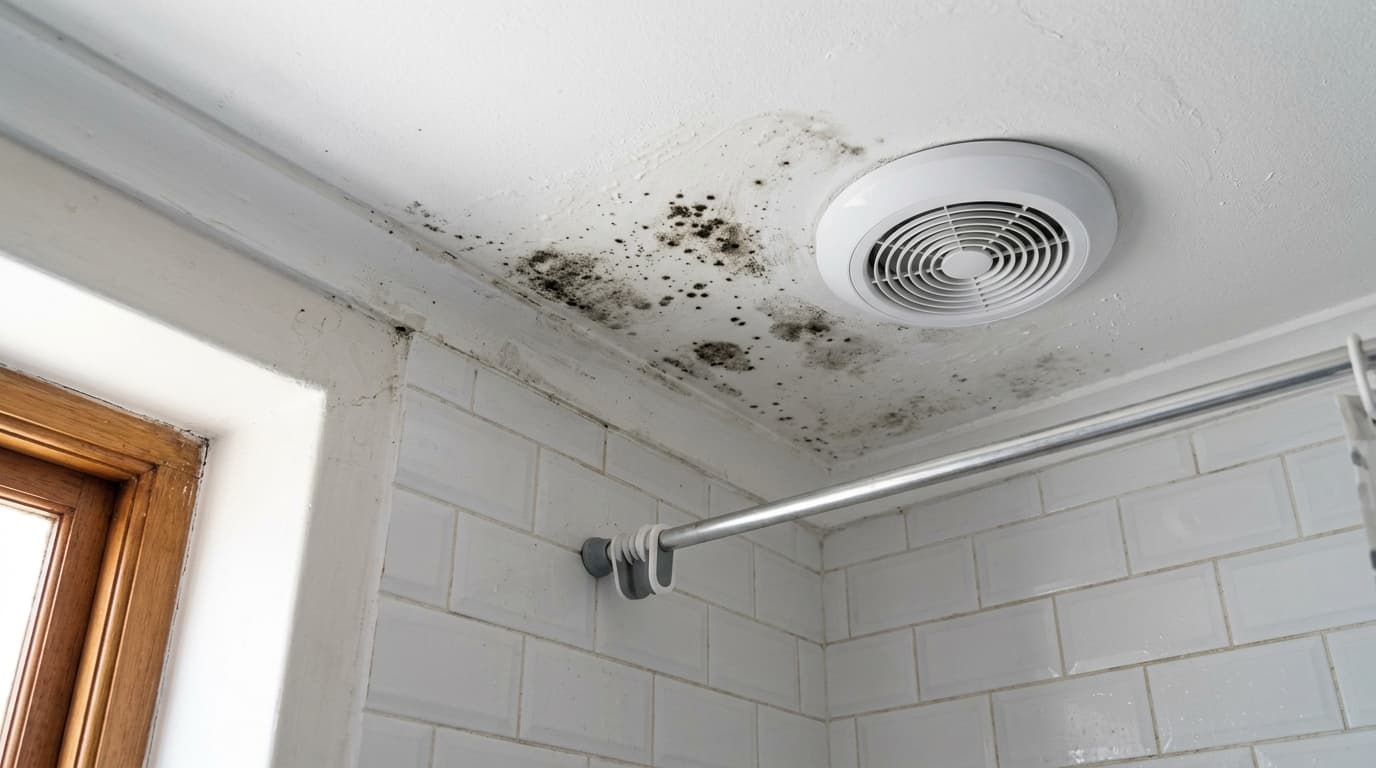
Cold exterior walls and winter condensation
Most older houses and flats in Cape Town — especially in the City Bowl, Sea Point, and the Southern Suburbs — are built with solid brickwork or concrete ceilings that hold the cold from outside. During winter, exterior walls stay cold throughout the day.
When you take a hot shower or cook dinner, warm moisture fills the room and immediately condenses against the coldest surface, which is usually the bathroom ceiling or the top corners of exterior walls. Standard ceiling paint absorbs that dampness like paper. Once the plaster absorbs water, mold spores take hold within 48 hours.
Why surface wiping only gives temporary relief
A cloth and warm soapy water or household spray will wipe off the dark surface spots, but it leaves the damp plaster underneath untouched. Mold is not just a surface stain — it grows filaments into the paint film and plasterboard.
When only the surface is wiped, the moisture in the wall remains. As soon as the bathroom steams up again, the spores reactivate from inside the plaster and push new growth back through the paint. To stop the cycle, the growth needs an antimicrobial biocide that neutralises spores beneath the paint film.
If you paint over damp, active mold with regular paint, the mold will digest the binder from behind and break through the new coat within weeks.
Practical ventilation habits that make a real difference
Chemical treatment kills active spores, but keeping the area dry afterwards is what prevents new spores from settling. A few small habits help significantly:
- Keep the bathroom extractor fan running for at least 15 to 20 minutes after your shower, not just while the water is running.
- Crack the window slightly to let moist air escape before it cools against the ceiling.
- Wipe down shower tiles and glass with a small squeegee after use so standing water evaporates out the window rather than into the ceiling.
- Leave a 2 to 3 cm gap between bedroom wardrobes and exterior walls so air can circulate behind the cupboards.
When to have the area professionally cleaned
If mold covers more than a small patch, has spread into built-in cupboards, or has a strong musty smell that lingers, wiping it down by hand can disperse loose spores into bedroom air.
We clean and treat mold on site using targeted biocides that neutralise active growth without damaging the ceiling plaster or contaminating surrounding rooms.
Need this cleaned on site?
We work across Cape Town homes, rentals, and offices. If you need assistance, WhatsApp a photo of the area to 064 589 4148 with your suburb. We confirm a fixed price before you book. You can also view our Mold cleaning in Cape Town.
Common Questions
- Does painting over mold with anti-mold paint work?
- Not if you paint directly over active mold. The fungus will continue growing underneath and push through the new paint. The surface must be properly cleaned and treated with an antifungal biocide first, allowed to dry thoroughly, and only then painted.
- Is bathroom ceiling mold bad for your health?
- Yes. Breathing in airborne mold spores on a daily basis can cause nasal congestion, throat irritation, coughing, and worsen asthma, particularly in children and older adults.
- How much does mold cleaning cost in Cape Town?
- Targeted mold cleaning at Gezify starts from R500 for a single bathroom ceiling or wall area. You can WhatsApp a photo to 064 589 4148 for a fixed quote before booking.